A Viewing Journal: My Reflection and Review on Normal People (BBC, Hulu, 2020)
I started watching <Normal People> soon after it premiered in very early 2020, but never finished it until this summer. Overall, I would say this is a masterpiece, in many aspects—the relationships between they two, the struggle against imperfection, the perfectly fitting soundtracks, the literary value of the original work, those empty and waiting in cinematography, the beautiful Irish town—everything sets a very high standard for future works to surpass.
Yet it was precisely also these elements that made it very hard for me to comfortably finish watching all 12 episodes (each 30 minutes long) – I took five years, because I am those who finds it hard to focus on lengthy waits and the slow-paced, intricate relationships between characters, combined with the fact that Disney and Hulu do not support 1.5x playback speed yet.
To be honest, this drama received a lot of attention from drama fans when it premiered in China. People on Douban love Normal People because of its emotional intimacy, delicate realism, and devastating miscommunication. What resonates most is how two flawed individuals struggle quietly with self-worth and vulnerability, never quite saying what they mean, yet deeply connected through unspoken feelings. It’s the subtle tension—moments of silence, beautiful and raw Irish natural scene and gentle self-sabotage—that make the story feel brutally real and universally familiar.
Ep 3:
EP 5:
EP 6: A devastating miscommunication culminates in a quiet heartbreak, leaving Connell and Marianne once again withdraw from each other by unspoken feelings and pride.
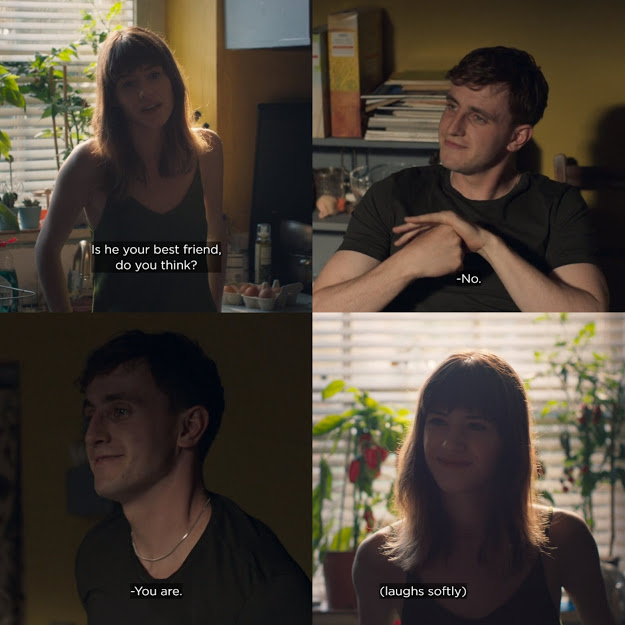
This is probably one of my favourite episodes, because it’s nice to see Marianne and Connell as a couple, even though they don’t really call it that. The opening scene is particularly adorable with the “Is he your best friend?” conversation, and let’s face it, Paul is just…holy shit.
Connell, having recently lost his job (for two months actually), is financially unable to stay in Dublin for the summer. His friend suggests the very obvious solution: ask Marianne if he can stay with her. However, Connell’s deep-seated insecurities about their class differences and his reluctance to appear dependent (and his own way to stay silent, as always) on Marianne prevent him from broaching the subject directly.
Simultaneously, the episode gives a glimpse into Marianne’s difficult home life during a short visit back to Sligo. A tense family dinner reveals the ongoing emotional abuse she endures from her resentful brother, Alan, and the cold indifference of her mother, Denise.
Maybe during a seemingly casual conversation, Connell mentions he’ll be going back to Sligo for the summer. Marianne, unaware of his financial predicament, interprets this as a desire to end their relationship (and be free to see other people, much like what Conn did in school). Her own insecurities about their relationship, past hurts, and maybe also some casual but deeply hurtful remarks from her tactless friends, lead her to this painful conclusion.
The episode ends with their quiet, devastating separation. Connell packs his things and heads back to Sligo. Marianne is left alone in her empty apartment, with the broken glass and her sobbing appearing at the beginning. Both are heartbroken, believing the other person initiated the breakup, all because of where nothing of substance or truth was actually said.
It’s a poignant and tragic end driven entirely by their inability to communicate their vulnerabilities. Crucially, Connell fails to correct her assumption. Instead of explaining his situation, he allows his pride and shame to silence him.
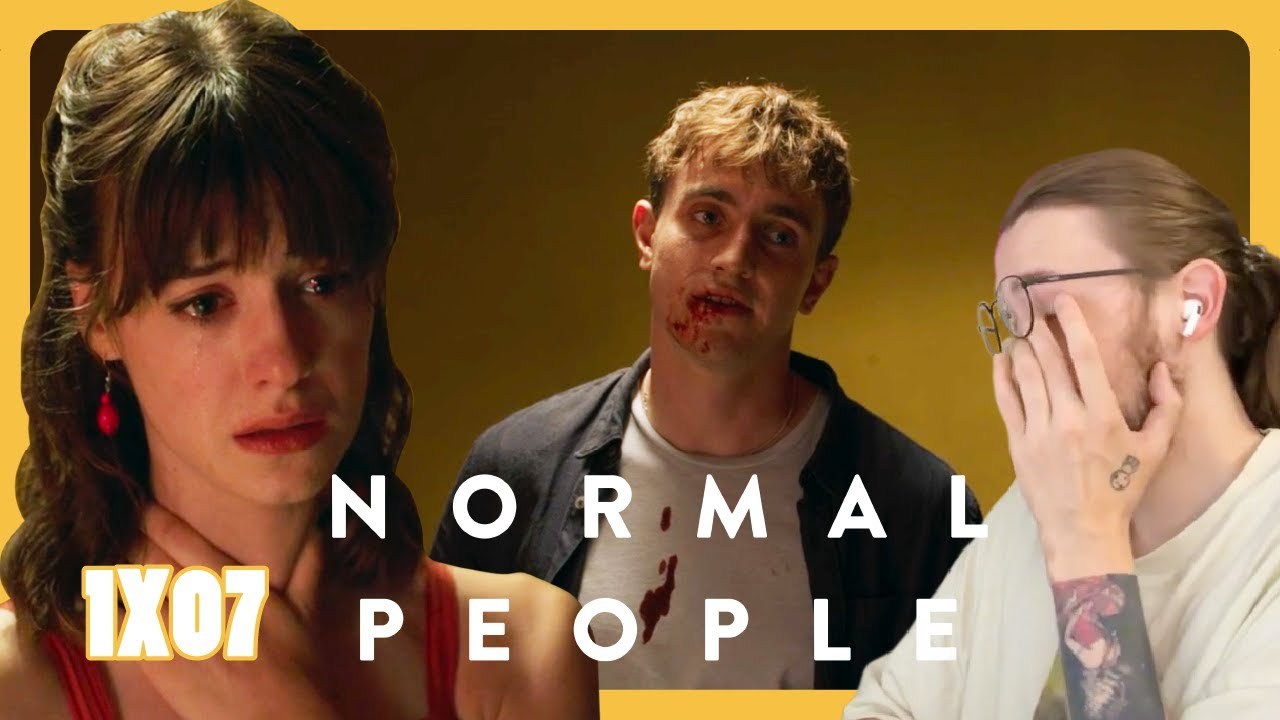
EP 7: ♥♥♥
I don’t actually love the way the episode depicts the story in this timeline. The episode intentionally jumps forward in time to cover the months following Connell and Marianne’s devastating miscommunication and subsequent breakup at the end of episode 6. This non-linear structure can feel jarring but effectively shows the painful distance that has grown between them, and how their lives have diverged. Plus, much of this EP just leaves blanks and long waiting for the audience, as always the way this series used to let the feeling getting across the screen.
The night after both Conn and Ma are awarded the prestigious Trinity scholarships, Marianne is celebrating with her friends, including Jamie, at her apartment. A drunk and disheveled Connell appears at her door, having just been mugged. After Jamie and the other friends leave, the really emotional core of the episode unfolds. Connell, vulnerable and emotional, tells Marianne she deserves better than Jamie. This leads him to confess that he has a new girlfriend, Helen. The revelation devastates Marianne. Both finally break down and Connell reveals the truth about why he left Dublin for the summer. He admits he couldn’t afford rent, and that he had secretly hoped she would ask him to stay with her.
For the first time, Marianne understands the real reason for their “breakup”, and breaks down for what their relationship has been changed (and could have been saved actually). The episode ends on this painful realization for both characters: their entire separation was built on a simple, tragic misunderstanding, some pride and inherited insecurity prevented them from ever clarifying. The “weird” timeline of the episode serves to emphasize the months of lost time and unnecessary heartache they both endured as a result. I’d rather rate 6/10 to this Ep. (FYI: I won’t give a low score just because the plot direction or character relationships don’t meet my expectations. I just don’t like this kind of scriptwriting, filming, and production approach, as well as its expression as an artistic work.)
They could literally solve the issue in 10 seconds, but no, they don’t do that. So I’m having an hard time believing the entire situation. They’re a terrible couple btw. We’re probably all cheering for them, but they’re terrible together hahah There’s no stability whatsoever.
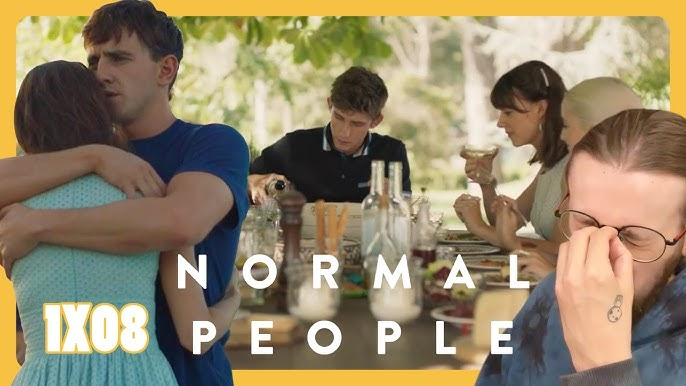
EP 8: Insanely Beautiful but Painful
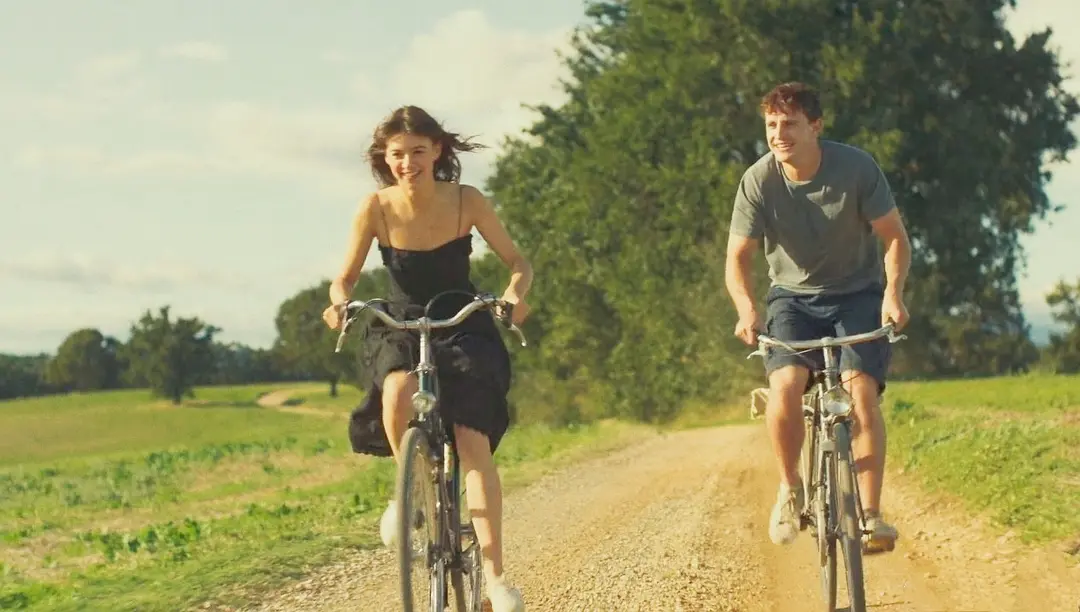
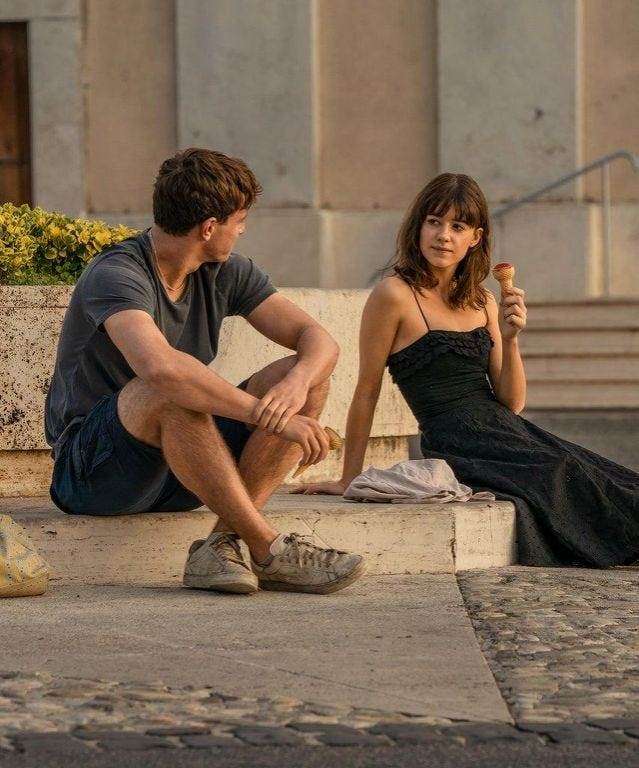
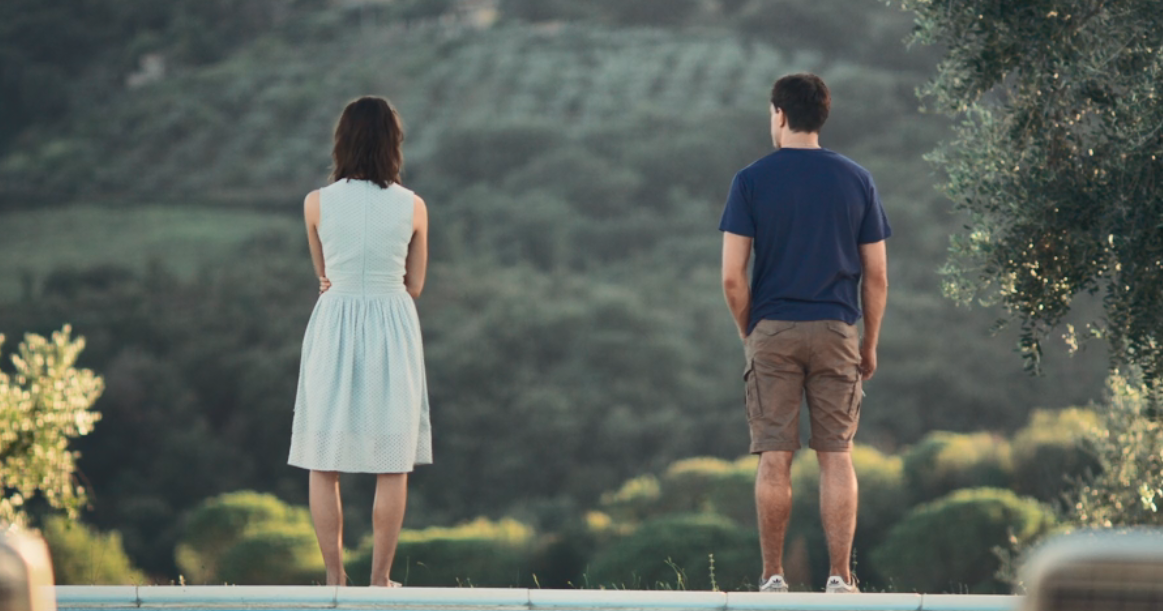
Episodes 6 and 7 were emotional rumblings—and Episode 8, set in sunlit Italy, blew them away. This is maybe my favourite episode: mouth‑watering villas, blissful bike rides, a swimming pool so blue so green so colorful it almost hurts your eyes, provocative conflicts, tearful realizations, and that line, “money … so corrupt, but sexy.”
Marianne living in Peggy’s villa in Italy is picture‑perfect: lush gardens, oversized pool, pastel walls—and every glance is wrapped in golden light. Connell and his friend Niall arrive, backpacks in tow, after backpacking across Europe. That contrast—rugged hostels versus plush terrace dinners—feels deliberate and slyly emotional.
Marianne listens—really listens—as Connell tentatively opens up about what tuition, scholarships, money mean to him.
Foreign cities are real, and famous artworks, and underground railway systems, and remnants of the Berlin Wall. That’s money, the substance that makes the world real. There’s something so corrupt and sexy about it.” ― Sally Rooney, Normal People
Marianne steels herself through it all, softly admits she never thought about the scholarship’s implications until now. In return, she reveals to him one of her deepest pains: her mother’s neglect, her brother’s cruelty.
The whole time we were together, why didn’t you tell me any of this?
I don’t know. I suppose I didn’t want you to think I was damaged or something. I was probably afraid you didn’t want me anymore.
Later, even at the villa, Jamie’s presence darkens the glow. He huffs about champagne glasses, criticizes hosts lounging at hostels, and tosses class‑loaded insults at Connell and Niall. It’s like watching entitlement metastasize across the table.
Still, the charge between them hums. Finally, in the morning, they board a train to Venice—a respite, an art‑filled interlude, a moment of “what could be” when they look at things together rather than stare at each other.
I love this. It’s not about plot twists—Marianne and Connell are inching toward a version of honesty neither knows how to speak until now. Their connection, framed by Italian vistas and class tension, blooms into something fragile and unforgettable.
Beautifully not real. Btw, I saw this on reddit, sorry.
“Yes, absolutely, too obvious. CMBYN will inspire future generations of creators for a long time to come. Like Luca Guadagnino was inspired by the movie geniuses he admires.”



Leave a Reply